How we rate padel rackets
Technical data. Clear profiles. Better decisions.
With RacketPort racket profiles, you can compare padel rackets on a consistent data basis. Our rating system distils technical model data into six clear attributes and highlights differences between models. This helps you focus your search on the racket that suits your game.
HEAD Extreme Pro 2025
Racket profile
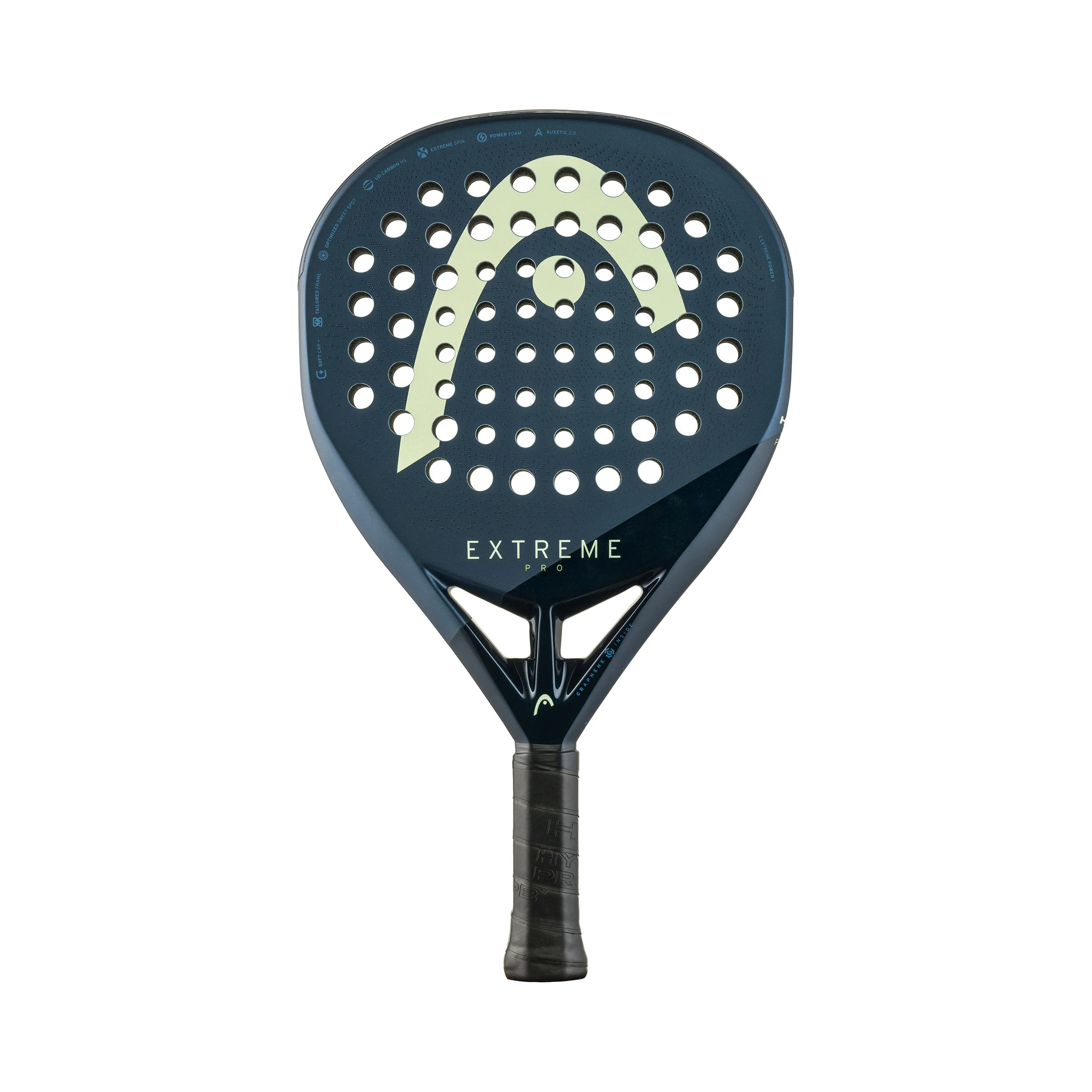
From technical specifications to a comparable profile
Each profile is based on the available technical model data and consistent modeling assumptions. Our calculation method applies fixed rules to make the results comparable on a shared scale.
Technical data as the starting point
We consider the technical specifications of the exact model. Model years and variants are identified separately to give you a precise comparison of the rackets that interest you.
A consistent assessment
Our rating system applies the same rules to all models. The resulting calculated profile scores show, on a scale from 0 to 100, how pronounced each attribute is within the RacketPort system.
Six perspectives on a racket
Power, control, sweet spot, maneuverability, ball output and hardness together form the profile. We do not assign an overall rating: the right racket depends on your game and your preferences.
What the six attributes describe
Each attribute highlights a different characteristic of the model. Together they reveal differences that a single overall rating would hide.
- Power
- The potential for powerful, fast shots when you actively accelerate the ball.
- Control
- How easily you can judge your shots and place the ball precisely.
- Sweet Spot
- How forgiving the racket feels when you hit the ball away from the centre.
- Maneuverability
- How easily you can move and position the racket for quick reactions.
- Ball output
- How much help the racket gives you with short or slow swings.
- Hardness
- How firm or soft the racket feels at ball contact. A higher score means a firmer feel.
How to read the scores
Guidance on a scale from 0 to 100
The numbers help you compare models within our system. A 20-point lead does not mean 20 percent more real-world performance. A score of 100 is no guarantee of the best racket for you either.
Higher means more pronounced
A high score indicates that the attribute is more pronounced. For hardness, this means a firmer feel. Bold text in the comparison marks the highest score, not a general buying recommendation.
A model profile is not a condition rating
The profile describes the racket model. It does not assess wear, damage or individual modifications to a used racket. Check the photos and condition details of the individual listing for that information.
Common questions about the assessment
How are RacketPort racket profiles created?
Technical model data and consistent modeling assumptions form the basis. Our uniform calculation method translates these inputs into six profile scores from 0 to 100, providing guidance for direct model comparisons.
Why don’t all rackets have a profile?
We publish only complete profiles. A model’s data must allow all six attribute scores to be calculated using our method. This keeps comparisons consistent across the entire profile catalog.
How are profiles kept up to date?
We maintain the model data and continue to develop our rating system. New or corrected information is incorporated into the profiles. Changes to the method are applied consistently across all profiles.
Find the profile that suits your game.
Compare up to three models, discover suitable listings or offer your current racket for sale on RacketPort.